Shelf2000 · Industry insight Brands · Retailers · Clubs

When a padel racket’s value goes unexplained, price takes over

A padel racket’s value needs to reach the player intact. Manufacturers, retailers and clubs share a responsibility: to connect the product, its presentation and expert advice.

Analysis and practical recommendations 6-minute read
A shop assistant explains a padel racket’s features to a customer holding it in a specialist padel shop.
Expert advice turns product features into clear criteria for choosing a racket.

Imagine a racket arriving in a shop after months of development, testing and launch planning. It has a story, a target player and features that set it apart. On the display wall, however, all the customer sees is its name and a price tag.

The customer looks at it, glances at the racket beside it and asks what discount is available. The conversation begins with price because no one has yet offered another basis for choosing.

Here lies a blind spot in the padel business: the gap between the value a brand creates and the value a player understands. Closing that gap means ensuring that product information travels with the racket all the way to the point where the buying decision is made.

THE FINAL METRE

When the sales message stays in the box

A technical term may make perfect sense to the person designing a racket and mean very little to someone choosing their next model. The role of expert advice is to connect that feature to a specific need, explain its limitations and help establish whether it suits that player.

If that explanation gets lost between the catalogue, the distributor and the shop counter, the retailer has to reconstruct it. If it is also missing from the display, the customer has few clues to help them compare products independently.

Price always matters. But when it is the only clear difference, a product risks being judged solely on what it costs. Before reviewing a promotion, consider what the customer understands.

A SHARED RESPONSIBILITY

What each professional should contribute

The opportunity lies in bringing together three kinds of expertise: that of the people who develop the product, those who help customers choose it and those who observe players on court.

Manufacturers and brands

Provide an explanation people can use. Each model should arrive with a short product brief: who it is designed for, what sets it apart within the range and when an alternative might be more suitable.

Training should equip sales teams to answer real questions. Feedback must also reach the brand: what customers understand, what raises doubts and what is difficult to demonstrate.

Retailers and distributors

Turn information into useful guidance. Every racket on display should have a reason for being there. Staff need to explain why they recommend a model and which alternative is worth comparing.

Recording the questions customers ask most often helps improve product information, training and the range on offer. Recurring objections are useful feedback that should reach the brand.

Clubs and coaches

Follow through after the trial. A session with a demo racket should end with the model clearly identified, a discussion of how it felt and a clear next step.

Where a partner retailer is involved, the player should know where to check availability. A useful recommendation takes account of their experience, playing level and budget.

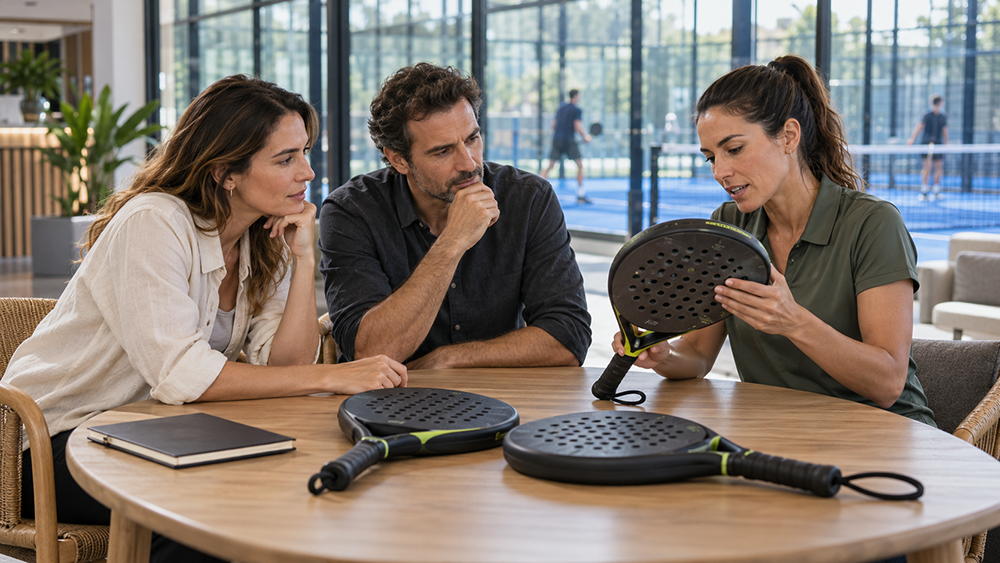
Three padel professionals discussing rackets around a table at a club, with a padel court in the background.

Effective collaboration brings insights from the court back to retailers and manufacturers.

CONNECTING PRODUCT AND PRESENTATION

Your display wall should tell the product’s story

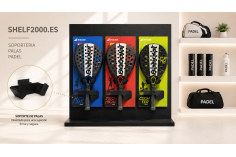
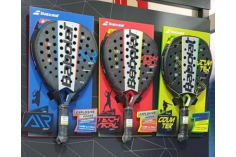
All this work needs to take shape in the physical space. A racket should be easy to find, identify and present to the customer. Information needs to sit alongside the right model, and demo rackets should be clearly distinguished from stock intended for sale.

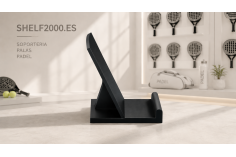
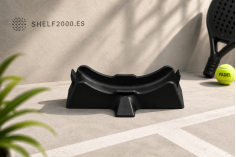
A professional display supports this process: it provides a consistent layout, leaves room to explain each option and allows the range to be updated without losing clarity. Racket holders and signage are part of that day-to-day organisation.

Its value becomes clear in a simple exchange: the customer points to a racket, a member of staff presents it, and they can discuss that model with clear information to hand.

At first glance: is the model easy to identify, and is it clear which player it is designed for?

When asking questions: can the team explain a meaningful difference?

During the trial: is it clear which racket is being used and what the player is trying to assess?

When deciding: does the customer know whether the racket is available and how to buy it?

LISTENING TO IMPROVE

The most valuable insights may come from a sale that never happened

A racket that attracts plenty of enquiries but few purchases deserves attention. It may be unavailable, the recommendation may not suit the player, or its difference from another model may still be unclear. Each cause calls for a different response.

That is why we suggest that brands, retailers and clubs share specific product feedback: frequently asked questions, reasons for ruling out a model and comments after trials. A regular summary, without players’ personal details, can help improve training and how the range is presented.

The point of sale then becomes a place to learn. The manufacturer also receives something more useful than a general impression: specific questions it can answer.

A PRACTICAL STARTING POINT

A 30-day pilot with three models

A brand, a retailer and a club can test this approach on a manageable scale.

Choose three models for different player profiles

Agree on a brief explanation for each and identify when an alternative would be more appropriate. The selection should allow players to compare options that meet different needs.

Prepare the display and the team

Check model identification, access to the products, information sheets and availability. Everyone serving customers should understand the selection and know how to explain it.

Connect the trial with further advice

Clearly identify the racket used and give the player the information they need to take the next step when they are ready: the exact model, relevant features and a contact for checking availability.

Record and review together

Record enquiries, trials, linked purchases and any reasons for not buying that players choose to share. At the end, agree on one specific improvement to the display, the product explanation or the organisation of trials.

This is a proposed way of working, not a measured success story. To assess conversion after a trial, use the same group and time period: the number of players who bought after trying a racket, divided by the number who completed the trial. A purchase following a trial does not, by itself, show that the trial caused it.

ONE QUESTION REMAINS

Will your next range arrive with a clear explanation?

For a brand, the challenge continues after the order has been delivered. For a retailer, it begins before the price tag is attached. For a club, it carries on when the player returns the demo racket.

The industry can make this journey work better. A well-planned display, a knowledgeable team and communication between professionals give each product a better chance of being assessed on what it actually offers.

Before asking how much to discount a racket, it is worth asking how much we have helped the player understand it.

SHELF2000 · PROFESSIONAL DISPLAY EQUIPMENT

Give your products a space where their value is clear.

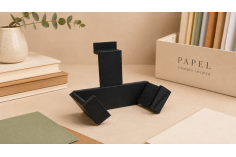
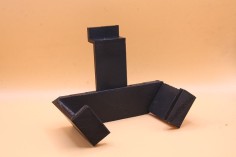
At Shelf2000, we design and manufacture padel racket holders for shops, clubs and display spaces. We help you organise the presentation of your range and make the most of the space available.

Explore padel racket holders →

Related products

Product added to wishlist
Product added to compare.