Shopping Cart
How to Increase Sales in Your Padel Store Without Expanding the Space: 8 Strategies That Really Work
Increasing sales in a padel store doesn't always require moving to larger premises, expanding your retail space or increasing your inventory. In many cases, the greatest opportunity lies in making better use of the space you already have, improving product presentation and guiding customers more effectively throughout their shopping journey.
Two padel stores with exactly the same floor area can achieve completely different results. The difference usually comes down to store layout, wall merchandising, lighting, product organisation and the ability to encourage complementary purchases.
By applying effective visual merchandising, commercial display systems and strategic product presentation, you can significantly increase revenue per square metre, improve the customer experience and raise the average transaction value without expanding your premises.
In this article, you'll discover 8 practical strategies to sell more in your padel store, maximise every square metre and transform your existing retail space into a powerful sales tool.
1. Use Your Walls: Every Wall Is a Sales Opportunity
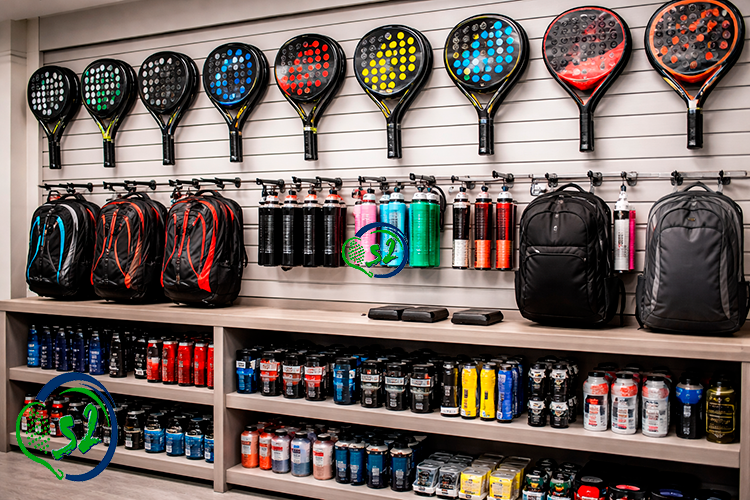
One of the most common mistakes in a padel store is treating walls simply as storage areas. In reality, every wall can become a valuable retail space that showcases products, organises categories and naturally attracts customers' attention.
Vertical merchandising increases display capacity without taking up additional floor space. This is especially valuable in small and medium-sized stores, where every square metre should contribute directly to sales performance.
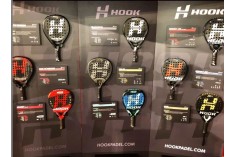
Padel rackets, for example, can be organised by brand, playing level, balance type, materials or price range. A clear and logical presentation helps customers compare products more easily, understand their differences and quickly find the model that best suits their needs.
Walls can also be used to display backpacks, racket bags, clothing, footwear and accessories. The goal is not to fit as many products as possible onto the wall, but to create a clean, attractive and easy-to-understand presentation.
Modular merchandising systems provide an additional advantage because they allow retailers to reconfigure displays whenever new collections arrive, promotions change or seasonal demand evolves. This flexibility keeps the store fresh without requiring expensive renovations.
How to Organise an Effective Vertical Display
Your most important products should always be positioned at eye level and within easy reach, as these are the areas with the highest visibility and customer interaction. Higher sections can be reserved for branding, signage or larger products, while lower levels are ideal for secondary items or additional stock.
Leaving sufficient space between product groups also improves visual clarity. Customers can distinguish categories more easily, the store appears less crowded and the overall perception of quality increases.
2. Group Products to Encourage Cross-Selling
A successful retail store should do more than simply display individual products. It should help customers understand which products naturally work together. This technique, known as cross-selling, is one of the easiest ways to increase the average sale without attracting additional visitors.
When someone buys a padel racket, they will often also need overgrips, racket protectors, balls, a backpack or a racket bag. If these products are displayed in different parts of the store, customers may never notice them. However, when they are presented together, complementary purchases happen much more naturally.
Your displays should present complete solutions rather than isolated products. For example, an area aimed at beginner players might include an easy-to-handle racket, a tube of balls, overgrips and an entry-level backpack. For advanced players, the display could feature a premium racket, protective accessories and a professional racket bag.
This approach simplifies the buying decision while creating the impression of expert advice, even before a member of staff becomes involved.
Examples of Effective Product Combinations
- Padel rackets displayed alongside overgrips, racket protectors and balls.
- Sports shoes presented with technical socks, insoles and maintenance products.
- Padel clothing arranged in coordinated outfits or seasonal collections.
- Racket bags displayed next to rackets and transport accessories.
- Starter packs designed specifically for beginner players.
Cross-selling works best when products have a clear relationship and genuinely add value to the customer's purchase. The objective is not to increase the number of displayed products but to make shopping easier and more complete.
3. Create Hot Zones Throughout Your Store
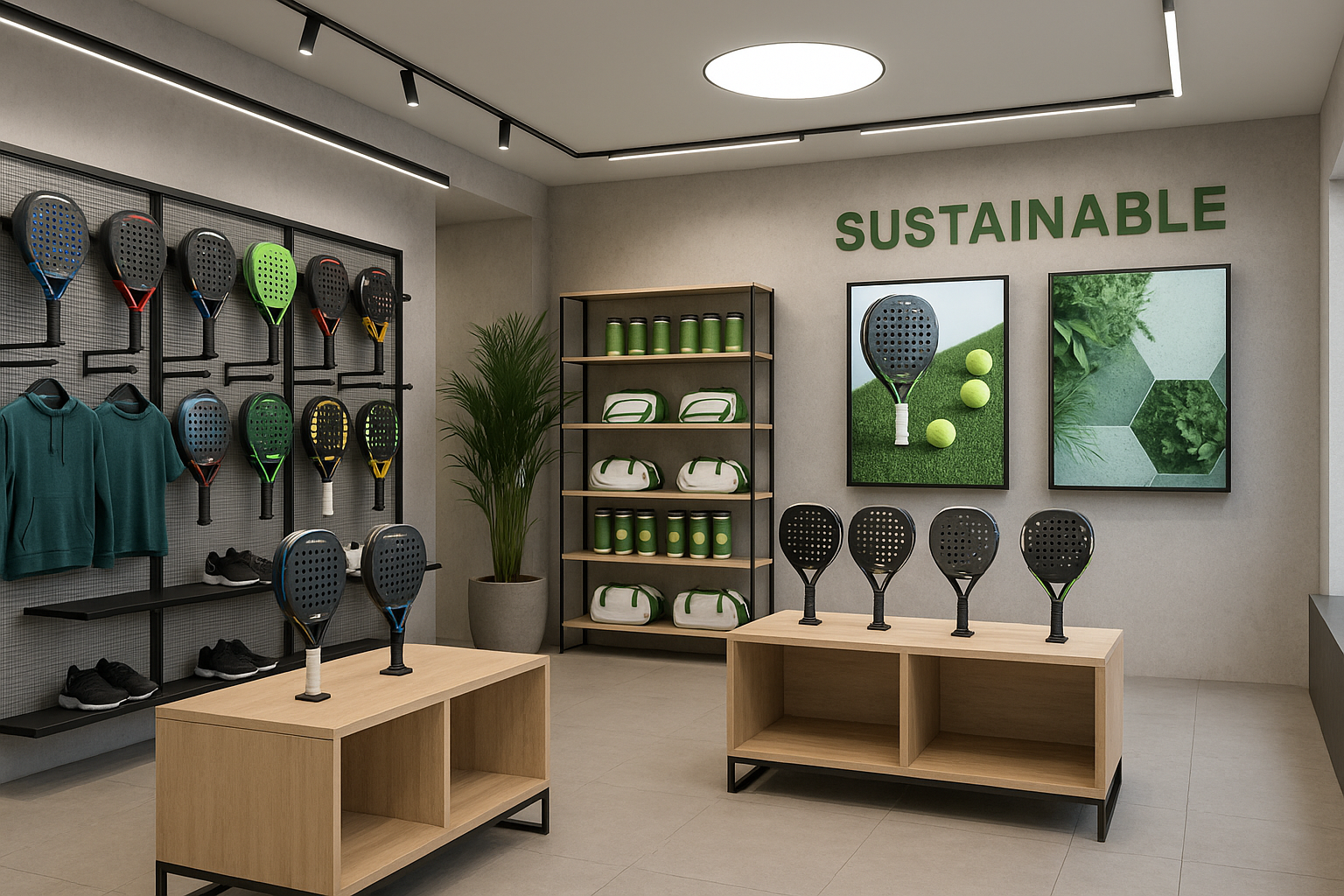
Not every area of a retail store receives the same level of customer attention. Certain locations naturally attract more visitors and generate longer browsing times. These areas are known as hot zones, and they should be used to promote your most important products.
The store entrance, the first few metres inside the shop, central display areas, aisle intersections and the checkout zone usually offer the highest visibility. These are the ideal locations for new arrivals, best-selling products, promotional campaigns and high-margin items.
On the other hand, dark corners, poorly lit back sections or areas hidden behind shelving often become cold zones with lower customer traffic. These spaces can usually be improved through better lighting, stronger signage, promotional displays or a revised furniture layout.
How to Identify Your Store's Hot Zones
Observe customer behaviour over several days. Watch where shoppers stop, which route they naturally follow, which products they handle and which areas they tend to ignore. This information will help you identify the parts of your store with the greatest commercial potential.
You can also test different product locations and compare sales results. If the same item performs better after being moved, its original location was probably limiting its visibility.
Hot zones should be refreshed regularly. Customers who visit your store frequently will eventually stop noticing displays that never change. Rotating featured products, promotional messages and display layouts keeps the retail environment dynamic and encourages repeat customers to explore what's new.
4. Reduce Visual Clutter: Less Can Often Sell More
A store filled with too many products can create confusion, make comparisons more difficult and reduce the perceived value of the merchandise. When customers are overwhelmed with visual information, they need more time and effort to make purchasing decisions.
Excessive product density often leads to decision fatigue, visual overload and, ultimately, lost sales. For this reason, an effective retail display should not present every item in stock but instead showcase a carefully selected range of products that best represents each category.
In a padel store, it is essential to clearly separate rackets, footwear, clothing and accessories. Giving each category its own dedicated space creates a cleaner environment and makes the shopping experience much more intuitive.
Displaying fewer units of each product also allows premium models, new arrivals and high-margin items to stand out. Customers naturally pay more attention to products that have enough surrounding space instead of being hidden among dozens of similar items.
How to Reduce Clutter Without Reducing Sales
The key is to separate product display from product storage. The sales floor should showcase products in an attractive and organised way, while additional stock can be stored in drawers, lower cabinets or nearby storage areas for quick replenishment.
It is also important to establish a clear visual hierarchy. Best-selling and premium products should occupy the most visible positions, while secondary options can be displayed on lower shelves or supporting display units.
A clean, organised store improves navigation, enhances brand perception and helps customers make purchasing decisions more quickly and confidently.
5. Improve Your Lighting to Highlight Key Products
Lighting has a direct impact on how customers perceive your store, your products and your brand. Even the best merchandising displays can lose their effectiveness if the lighting is poor.
Successful retail lighting is not simply about making the store brighter. It combines consistent ambient lighting with focused illumination that draws attention to strategic areas.
New collections, premium padel rackets, promotional displays, feature walls and central display units should all benefit from dedicated spotlights. This type of lighting naturally guides customers' attention towards the products you most want to sell.
The colour temperature of the lighting is equally important. Lighting that is too cold can make the store feel sterile, while lighting that is too warm may distort product colours. A neutral white light usually creates the ideal atmosphere for sports retail by combining clarity, energy and a modern appearance.
Common Lighting Mistakes to Avoid
- Leaving dark corners or poorly illuminated areas within the store.
- Using completely uniform lighting that fails to highlight featured products.
- Creating reflections on rackets, display cabinets or digital screens.
- Positioning spotlights so they cast shadows over product labels or prices.
- Applying the same lighting intensity throughout the entire store.
A professional lighting strategy improves the shopping experience while directing customer attention towards your highest-priority products.
6. Make the Most of the Checkout Area for Impulse Purchases
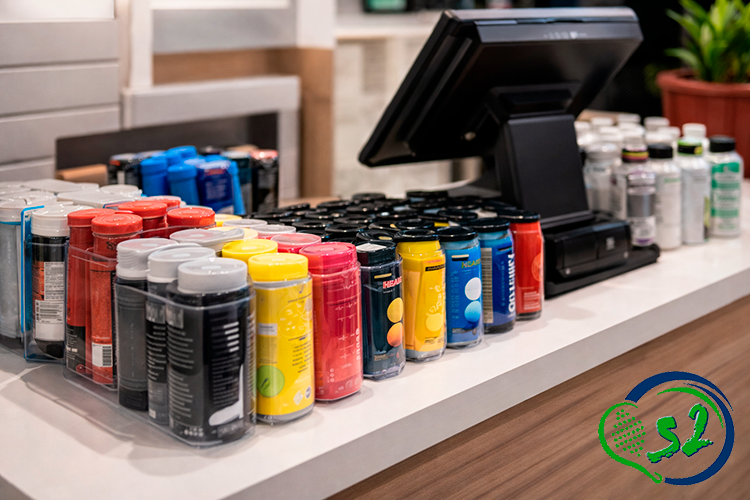
The checkout area is one of the most profitable spaces in any retail store. Customers have already decided to buy, are waiting to pay and are generally more receptive to adding small, low-cost items to their purchase.
In a padel store, this area is ideal for displaying overgrips, balls, wristbands, racket protectors, technical socks, cleaning products and other small accessories.
For this strategy to work, products should be easy to understand, clearly priced and offer immediate value. Expensive items or products requiring lengthy explanations are generally less effective at the checkout.
It is equally important to avoid overcrowding the display. A carefully selected range of well-presented accessories usually generates better results than a large number of products competing for attention.
Which Products Perform Best at the Checkout?
The most successful checkout products usually share three characteristics: they require very little space, have an affordable price and naturally complement a customer's main purchase.
Overgrips are one of the best examples because they wear out regularly, are available in multiple colours and can easily be added to the purchase of a new racket. Balls, racket protectors and wristbands are also highly effective because customers immediately recognise their usefulness.
Keep this display organised and refresh it regularly. Testing different product combinations and monitoring their performance will help you identify which items consistently generate additional sales.
7. Analyse Customer Behaviour Inside Your Store
Retail layouts should never be designed based only on appearance. The most successful stores continuously analyse how customers actually interact with the space.
Observing where shoppers walk, where they stop, which products they pick up and which areas they ignore provides valuable information that can reveal hidden opportunities for improvement.
For example, if a section receives very little traffic, the problem may be poor lighting, weak signage, narrow aisles or an unattractive display. Likewise, if customers repeatedly examine a product but fail to purchase it, there may be an issue with pricing, product information, placement or comparison with competing models.
You don't need sophisticated technology to begin analysing customer behaviour. Simple observation, feedback from sales staff, transaction data and comparing results after making changes can all provide valuable insights.
Key Indicators Worth Monitoring
- The typical customer route from the entrance.
- Areas where visitors spend the most and least time.
- Products customers frequently handle but rarely purchase.
- Items that require repeated explanations from sales staff.
- Locations where congestion or bottlenecks occur.
- Sales performance after changing product displays.
Continuous improvement is based on testing. Make small adjustments, measure the results and keep only the changes that genuinely improve sales performance.
8. Use Modular Store Fixtures to Adapt Your Store Throughout the Year
The padel market evolves constantly. New product collections arrive every season, customer preferences change, promotional campaigns come and go, and sporting events create fresh sales opportunities. A store with a rigid layout quickly becomes outdated, while a flexible retail environment can adapt in just a few hours.
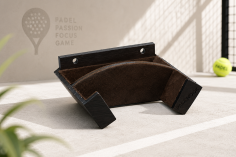
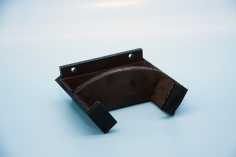
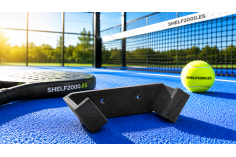
Modular retail fixtures allow you to reorganise your store without carrying out expensive renovations or replacing your existing equipment. Display systems, wall panels, shelving, hooks and accessories can easily be reconfigured to highlight new collections, create promotional areas or reorganise product categories according to changing demand.
This flexibility is particularly valuable in padel retail, where new racket launches from leading brands attract significant customer interest and deserve prominent positioning during their launch period.
Modular systems also make it easier to prepare seasonal campaigns such as Christmas, Black Friday, end-of-season sales, back-to-sport promotions and special events organised with local clubs or tournaments.
Benefits of Modular Retail Fixtures
- Reconfigure your store layout without expensive building work.
- Quickly adapt displays for new product launches.
- Maximise the use of every available square metre.
- Reduce the time required to update promotional campaigns.
- Create a modern, professional and well-organised shopping environment.
- Allow your store to evolve as your business grows without replacing the entire installation.
A dynamic retail environment creates a stronger impression on returning customers, who regularly discover new displays, updated product presentations and seasonal merchandising concepts.
Conclusion
Increasing sales in a padel store is not simply about having a larger premises. The real difference comes from making the most of every square metre, presenting products strategically and guiding customers naturally throughout the shopping experience.
A well-planned store layout, effective visual merchandising, professional lighting, carefully designed hot zones and a strong cross-selling strategy can dramatically improve profitability without increasing your retail space.
Likewise, maintaining a clean, flexible and adaptable store allows you to respond quickly to new collections, promotional campaigns and changing customer behaviour throughout the year.
Ultimately, selling more is not about having a bigger store—it is about making smarter use of the space you already have.
Looking to Improve the Performance of Your Padel Store?
At Shelf2000, we specialise in retail fixtures, commercial display systems and merchandising solutions for padel stores. Our modular systems are designed to optimise retail space, improve product presentation and maximise sales performance per square metre.
Our solutions make it easy to reorganise your store, create more attractive product displays, encourage cross-selling opportunities and quickly adapt to new collections, seasonal campaigns and promotional events.
If you are planning to refurbish your padel store or simply want to make better use of your existing retail space, our team will be pleased to help you develop a solution tailored to your business.