Shopping Cart
Padel 2026: Global Calendar, FIP Ranking and the New Retail Landscape
Padel enters 2026 with undeniable maturity. Growth is no longer temporary or cyclical. It is structural. The professionalization of the circuit, the consolidation of new markets, and the evolution of the consumer have transformed the entire ecosystem of the sport.
Today, padel operates across three interconnected dimensions: international competition, the industry that sustains it, and the point of sale that converts passion into business. Understanding this relationship is essential for any industry professional.
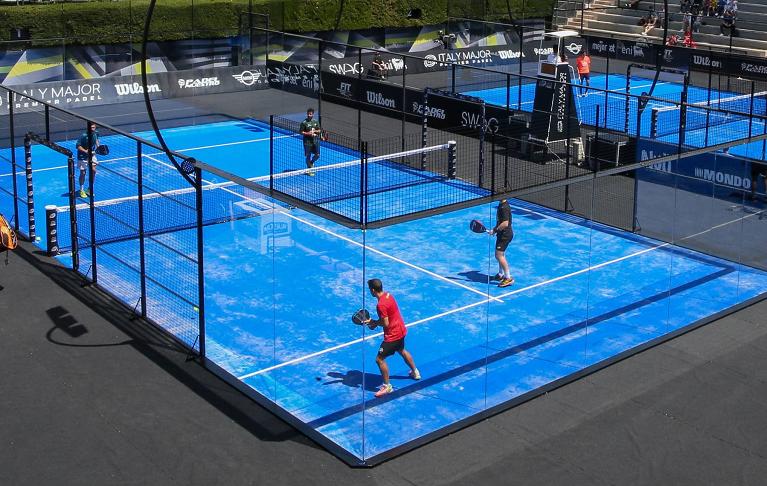
1) A Global Calendar That Drives Consumption
The international circuit has consolidated into a stable and predictable structure. Major events do not only generate audiences — they create measurable spikes in consumption. Each major tournament triggers sales of player-linked models, renews interest in specific brands, and accelerates product rotation.
Today's consumer does not buy purely for technical necessity. They buy through identification. The racket used by a leading player becomes an aspirational object. Clubs and retailers must anticipate these waves, aligning stock and display strategies accordingly.
Strategic Keys for 2026:
- Stock planning aligned with the international calendar.
- Display segmentation by playing profile.
- Visual updates after major tournaments.
- Agile rotation of high-demand models.
2) Ranking and Sporting Narrative
The ranking is no longer just a classification. It is a narrative engine. Rivalries, partnership changes and breakthrough performances fuel public interest. That narrative directly impacts retail behavior.
In 2026 we observe a clear trend toward more versatile rackets, balancing power and control. The average player seeks adaptability. They want to feel competitive without sacrificing defensive confidence. This demand is reflected in the structure of the product display.
3) International Expansion: A Diversifying Market
Expansion beyond the traditional European core continues to accelerate. The United States, the Middle East and selected Asian regions are investing heavily in modern facilities and academies.
This creates an interesting dynamic: new audiences without historical exposure to padel. Consumers discovering the sport from scratch require clarity and guidance. Here, the point of sale takes on an educational role. Explaining, classifying and simplifying becomes essential.

4) The Club as a Strategic Commercial Space
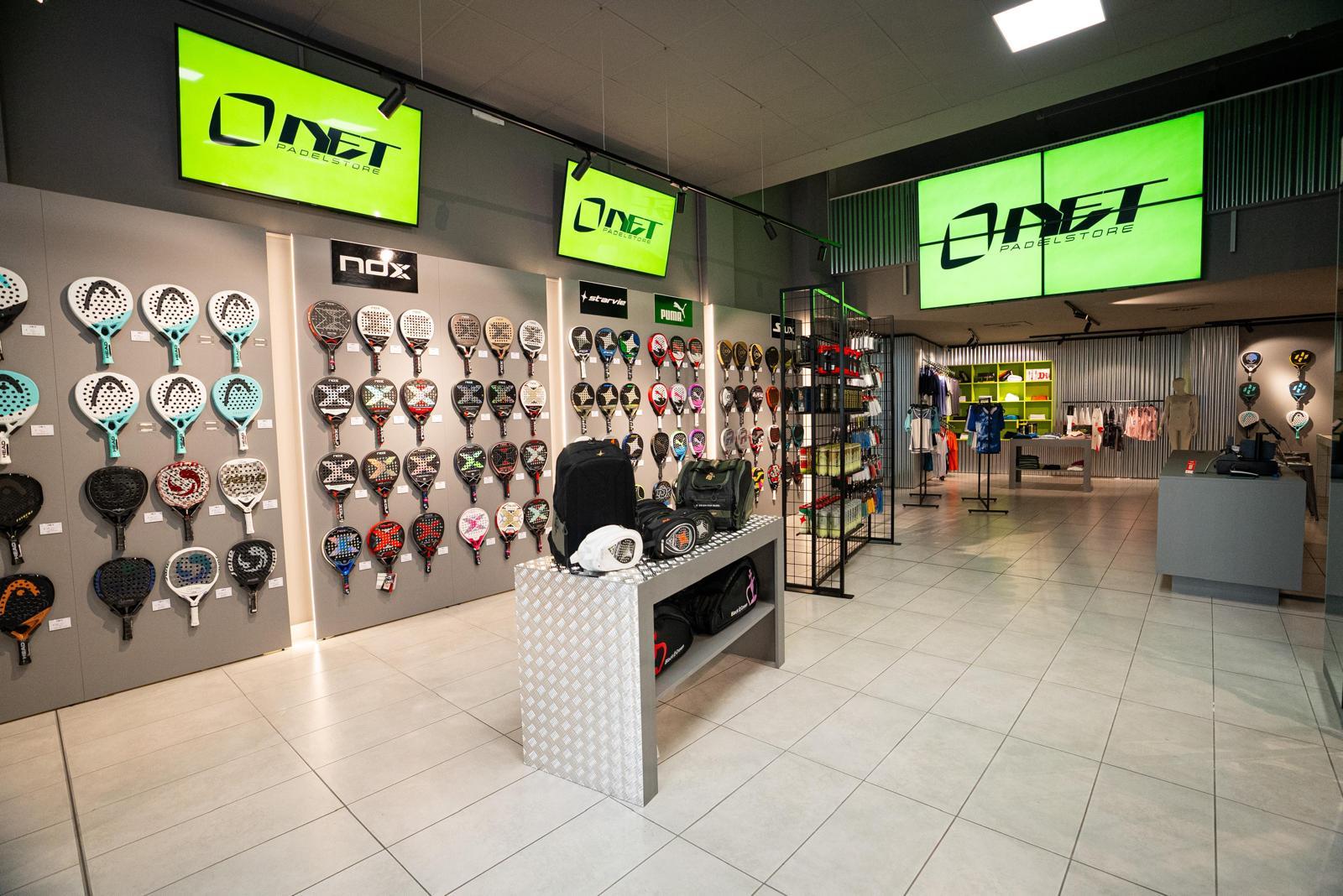
The modern club is no longer purely a sporting venue. It is a social and commercial environment. Reception counters, waiting areas and corridors have become high-impact display zones.
The difference between selling and not selling often lies in presentation. A well-lit racket, properly aligned and supported with clear information significantly increases its likelihood of purchase.
In 2026, consumers value order and professionalism. Visual overload creates saturation. Selective display creates decision.
5) Technology and Materials: Silent Evolution
The development of new materials remains a key differentiator. Hybrid compositions, balance adjustments and vibration absorption improvements allow brands to offer products tailored to specific player profiles.
However, the market reveals a clear reality: technical innovation must be accompanied by commercial clarity. The customer needs to understand the real advantage. If it is not explained, it is not valued.
6) The New Consumer: Informed and Demanding
Today's player consults reviews, compares specifications and often arrives at the store with prior knowledge. This raises the level of commercial discourse required.
Professionals who master both product knowledge and display strategy hold the advantage. Variety alone is not enough. Structure is what converts.
Conclusion
Padel in 2026 represents a complete ecosystem: global competition, territorial expansion, club professionalization and a sophisticated consumer base.
The opportunity remains significant. But this is no longer an improvised market. It is a mature sector requiring strategy, order and medium-term vision. Those who understand the connection between calendar, ranking and point of sale will be positioned to consolidate sustainable growth.